The Handset as a Wallet: Nine Pre-Charge Checks for UK Casino Mobile-Bill Deposits
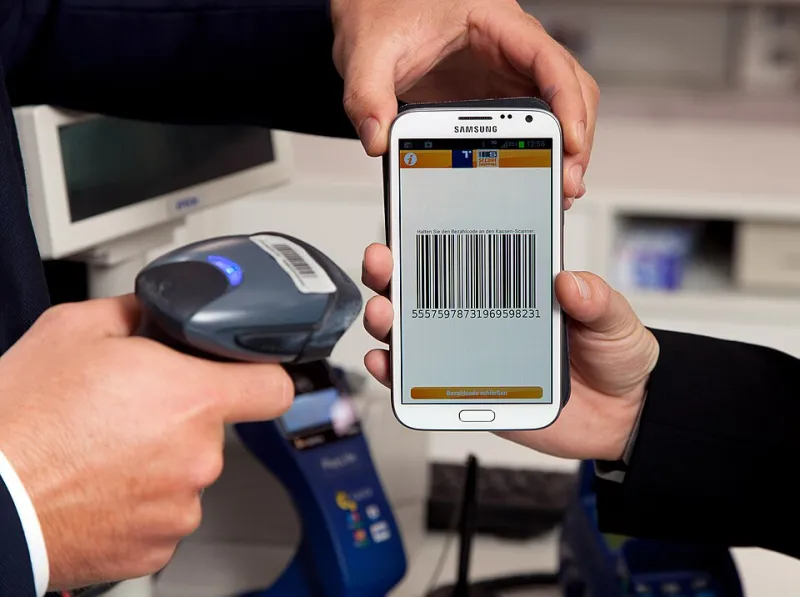
Photo: Richard Tanzer Fotografie / VeroPay, CC BY-SA 3.0, via Wikimedia Commons
Mobile-bill deposits occupy an unusual place in the UK online casino payment mix. They are neither a card nor a bank transfer, yet they can move real money in seconds. For some adult players the convenience is useful: no card details typed into a casino site, no open-banking redirect, just a charge added to a mobile account. For others, the same convenience is the problem. A handset may be shared, a bill may be paid by someone else, and the route from authorisation to dispute is less familiar than the card-chargeback process. At UK Casino 9, payment methods are treated as part of safer gambling rather than a mere checkout detail. The nine checks below are designed to be completed before the first mobile-bill deposit, not after a charge has appeared.
1. Identify the payment route, not just the button
'Pay by mobile' can describe more than one technical arrangement. In the UK, a casino may use a regulated mobile payment service, a carrier-billing intermediary, or a route that is presented simply as a phone-bill option at checkout. The label matters because the route determines who authorises the charge, what appears on the bill and which complaint channel applies. Before depositing, read the payment terms and establish whether the casino, a payment provider or the mobile network is collecting the money. If the operator cannot state the payment route clearly, treat that as a reason to pause. A transparent casino should be able to explain how a mobile deposit is processed and what the customer will see afterwards.
2. Confirm both sides of the age gate
UK online gambling is an adult activity, and the casino must verify that the account holder is at least 18. The mobile network may also apply its own age restrictions or adult-content controls. Do not assume that a pay-as-you-go SIM avoids age verification, and do not use a phone contract held by somebody else to bypass a check. The account holder, the casino account holder and the person responsible for the bill should ordinarily be the same adult. If a younger person has access to the handset, or if the bill is shared with a partner or family member, mobile billing becomes a poor fit. Age checks are not an obstacle to be worked around; they are part of the payment method's integrity.
3. Read the carrier and operator limits together
Mobile-bill deposits are usually subject to two sets of limits: the casino's minimum and maximum deposit amounts, and the mobile network's own caps. These caps can vary by carrier, account type and whether the customer is on a contract or pay-as-you-go plan. A casino may accept a £5 deposit while the carrier imposes a daily or monthly ceiling; equally, a carrier may permit more than the player intended to spend. Check both sets of figures and then set a personal cap below the lower of them. As of 2026, payment limits and carrier rules continue to change, so a figure remembered from an earlier account should not be trusted. Confirm the current terms at the point of deposit.
4. Establish what the charge will look like
A phone-bill deposit should leave a recognisable trace. Find out whether the charge will appear under the casino's trading name, the payment provider's name or a more generic mobile-content descriptor. This matters for budgeting and for any later dispute. Save the confirmation text or email, note the date and amount, and check the next bill against your own record. If the descriptor is vague, the charge can be difficult to identify among other mobile purchases. A player who cannot tell what a line on the bill represents is in a weaker position than one who has kept the authorisation message and knows the expected wording.
5. Check cash-out and withdrawal rules before depositing
A deposit route is not necessarily a withdrawal route. Many UK casinos pay withdrawals by bank transfer, and some require identity and payment-method verification before releasing funds. Mobile-bill deposits may be accepted at checkout while cash-outs are handled through a different process with different timing and minimum thresholds. Check the withdrawal policy before depositing, including whether the casino requires a same-name bank account, whether phone-funded deposits trigger additional checks, and how long a withdrawal may take. Do not deposit money you may need back quickly. The convenience of a phone-bill deposit is undermined if the return path is slow, restricted or unclear.
6. Separate the deposit from the bonus terms
Mobile deposits may or may not qualify for welcome offers, reload bonuses or loyalty points. Some promotions exclude certain payment methods, while others attach wagering requirements that make a small deposit far more expensive than it first appears. Read the bonus terms before opting in, and check whether the casino applies the offer automatically. A deposit is not a bonus simply because the checkout page mentions one. If the phone-bill route is excluded from a promotion, or if the wagering conditions do not suit your budget, decline the offer and deposit without it. The safer approach is to decide the deposit amount first and then consider whether any bonus is worth the added conditions.
7. Review stored permissions and repeat-charge risk
Mobile billing can make repeat deposits feel frictionless, especially if the casino stores the mobile number or a payment token. Check whether the site retains the payment details, whether a further deposit requires a PIN, biometric approval or merely a tap, and how stored details can be removed. Look for any recurring-payment or subscription language, although one-off gambling deposits should not normally be recurring unless the player has chosen otherwise. Device settings and operator controls may allow you to limit stored payment methods. A payment method that is too easy to reuse at speed is not automatically unsuitable, but it should be paired with firm deposit limits and a clear session plan.
8. Know the dispute route before you need it
Mobile-bill payments are not conventional card transactions, so do not assume that card-style protections such as Section 75 or chargeback will be available. If a charge is unexpected or unauthorised, act promptly. Contact the casino first and keep copies of confirmations, messages and bill entries. Then ask the mobile network or payment provider what dispute process applies to carrier billing. For complaints about the gambling service itself, follow the casino's internal complaints procedure and, if unresolved, the alternative dispute resolution scheme the operator uses. The Gambling Commission does not adjudicate individual disputes. Knowing these routes in advance prevents a stressful charge from becoming a prolonged one.
9. Record, review and set a stopping rule
Keep a simple record of mobile-bill deposits, including dates, amounts and the purpose of each payment. Compare that record with your monthly bill and with the budget you set before playing. Use the casino's deposit limits, session reminders and reality checks, and decide in advance what will prompt a break. If the phone bill makes spending less visible, or if somebody else pays the bill, mobile billing is probably the wrong route for you. Convenience should not obscure cost. A stopping rule written down before play is more reliable than one invented after a losing session.
The phone-bill deposit is not inherently unsafe, but it is a payment method that rewards preparation. The test is whether you can explain the route, the age checks, the limits, the bill descriptor, the withdrawal path, the bonus position and the dispute process before authorising the first charge. If any of those answers is unclear, a more transparent payment method may be the better choice. UK Casino 9 treats that pause as part of responsible play, not an inconvenience.